The issue of anti-jamming in RTK mode is, in essence, a battle between signal precision and reliability. On one hand, achieving centimeter-level positioning with RTK is extremely dependent on clean carrier phase signals. On the other hand, the increasingly complex electromagnetic environment—including multipath effects, co-channel interference, and malicious spoofing—constantly threatens signal integrity.
However, before discussing anti-jamming techniques for RTK mode, it is essential to first understand what RTK mode actually is.
RTK mode is an abbreviation for Real-Time Kinematic technology, a high-precision positioning mode within Global Navigation Satellite Systems (GNSS). While standard smartphone or car navigation systems offer meter-level accuracy (3–10 meters), RTK mode achieves centimeter-level accuracy (1–3 centimeters). In essence, RTK mode is “centimeter-level real-time positioning.” It does not alter the satellites themselves but instead uses ground-based reference stations to eliminate satellite signal errors, improving positioning accuracy from “knowing which road you are on” to “knowing exactly which manhole cover on that road you are standing on.”
RTK is primarily used in fields that demand extremely high relative spatial precision:
- Engineering & Construction: Staking out, topographic surveying, pile driving positioning.
- Surveying & Cadastre: Boundary delineation, property measurement, land title confirmation.
- Agriculture: Autonomous tractor seeding, land leveling (requiring centimeter accuracy to prevent overlaps and gaps).
- Autonomous Driving: Precision navigation for low-speed sanitation vehicles, mining trucks, and agricultural machinery.
- Drones: Surveying without ground control points, precise route following for crop spraying drones.
What is CRPA Antenna Anti-Jamming?
A CRPA (Controlled Reception Pattern Antenna) consists of an array of multiple small antenna elements. Using algorithms, it creates a “signal null” in the direction of interference, effectively eliminating intentional jamming, suppression, and spoofing signals. This safeguards the reliability and security of positioning by physically filtering out interference in the spatial domain, an effect far superior to the software-based filtering of standard antennas. CRPA antennas are primarily designed for harsh electromagnetic environments characterized by deliberate interference or spoofing.
Technical Challenge of CRPA Anti-Jamming in RTK Mode: Phase Bias
The anti-jamming processing of a CRPA, particularly during beamforming and null-steering, introduces a side effect: it generates an additional, direction-dependent bias in the carrier phase measurements.
- For standard navigation: Where only the position is needed, the impact of phase distortion is minimal.
- For RTK: The carrier phase is the very foundation for achieving centimeter-level precision. Once the phase is distorted, the core algorithms of RTK cannot function correctly, causing positioning accuracy to plummet from centimeters to meters, or even leading to a complete failure of the solution.
This creates a fundamental contradiction: the very CRPA technology introduced for anti-jamming inadvertently corrupts the carrier phase measurements that RTK relies on for high precision.
The Solution Combining RTK and CRPA: CRPA with Phase Compensation
To resolve the above contradiction and achieve both “anti-jamming and precision retention,” high-end RTK systems employ a combined solution: “CRPA + Phase Compensation Algorithm.” This represents the true, top-tier anti-jamming capability within RTK mode.
How it works:
- Signal Reception by CRPA Array: The multi-element antenna array receives all signals, including both interference and useful satellite signals.
- Spatial Filtering Execution: Built-in algorithms compute in real-time, generate nulls to suppress interference, and output a “clean” signal that, however, carries a phase bias.
- Critical Step: Phase Bias Compensation: This is the technical core of the entire system. A low-complexity phase compensation algorithm calculates the phase bias introduced by the CRPA in real-time and applies an inverse compensation.
- Output of High-Quality Signal: The final output is a signal from which interference has been removed while the carrier phase remains intact, ready for high-precision solution by the downstream RTK engine.
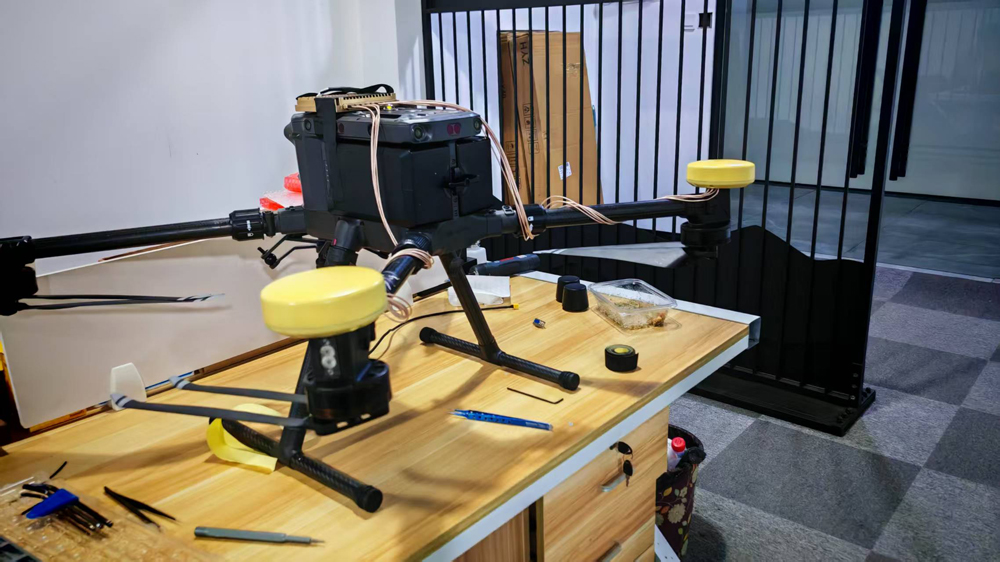
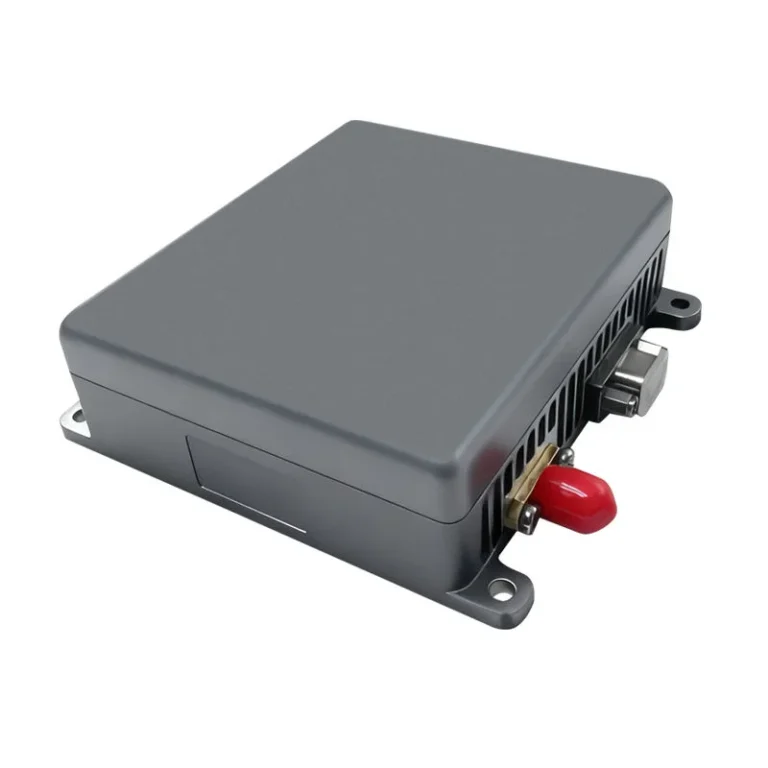
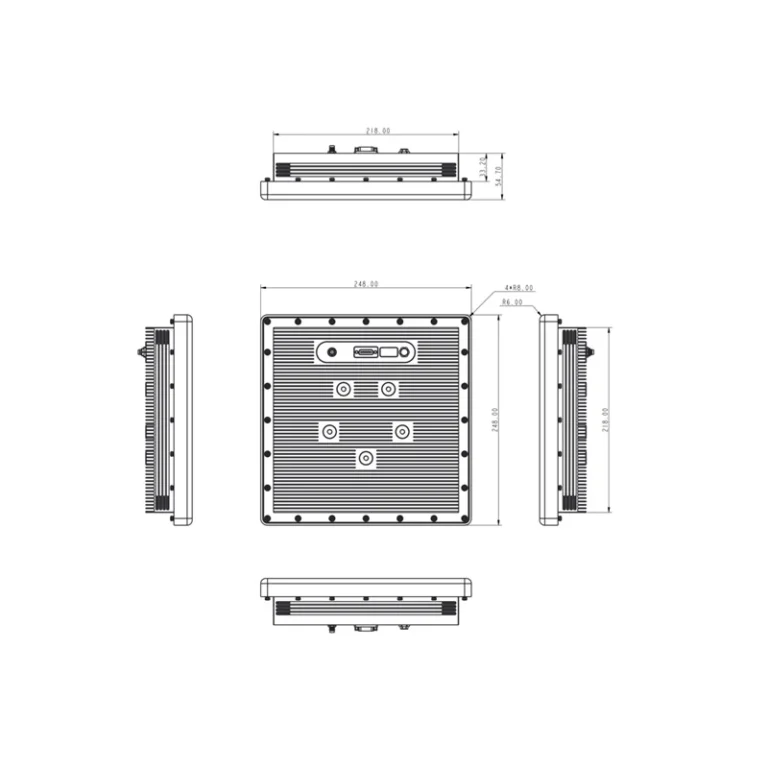
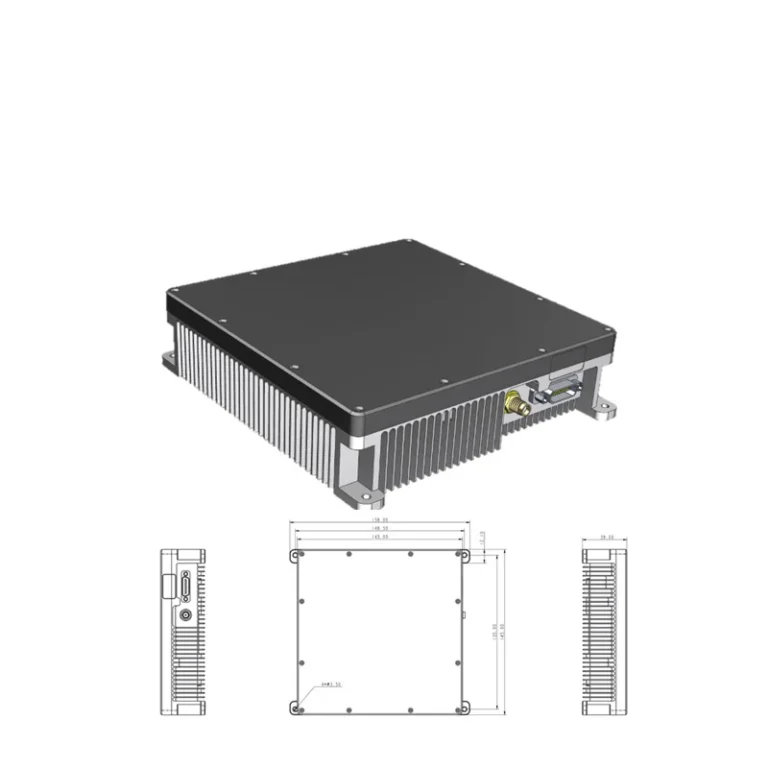
Previously, technologies available on the market did not support anti-jamming operations in RTK mode. However, SafeGNSS has recently developed a novel technology that combines two anti-jamming antennas with a GNSS receiver. This solution enables simultaneous high-precision positioning and attitude tracking for drones while providing anti-jamming capabilities. This technology is relatively unique in the current market. If you require anti-jamming in RTK mode, please contact us.
Our modified DJI M300 has successfully completed testing.