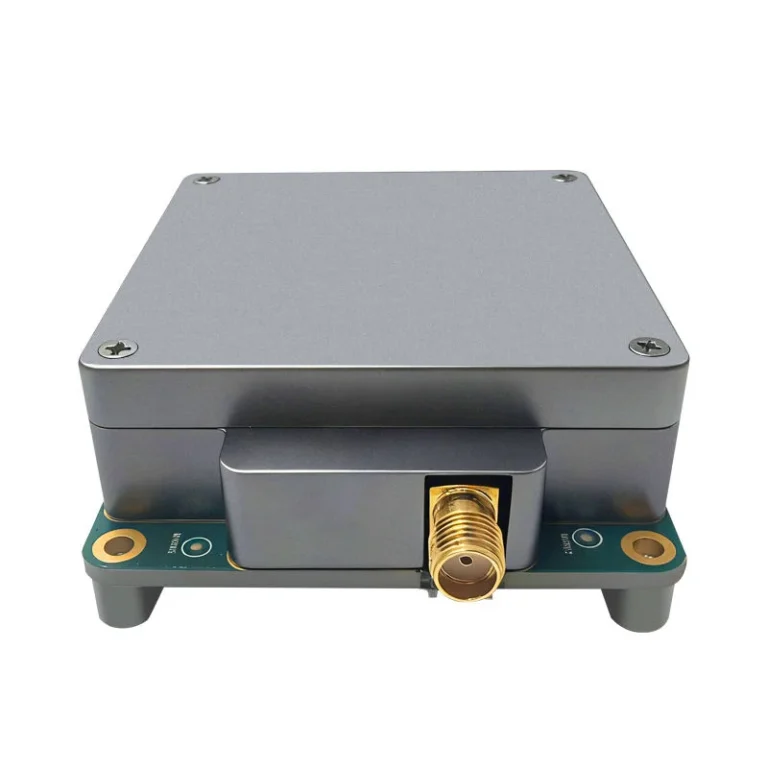
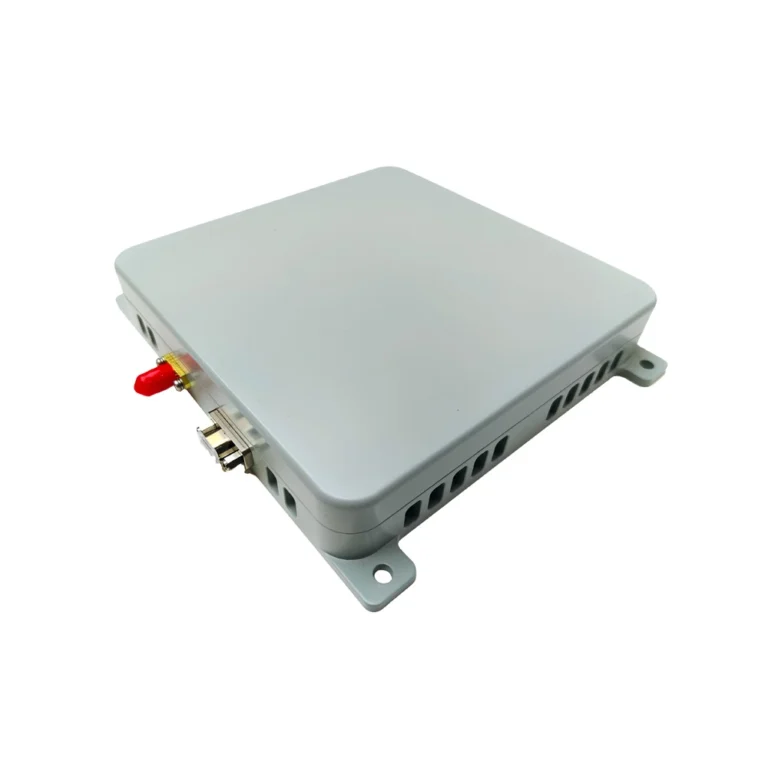
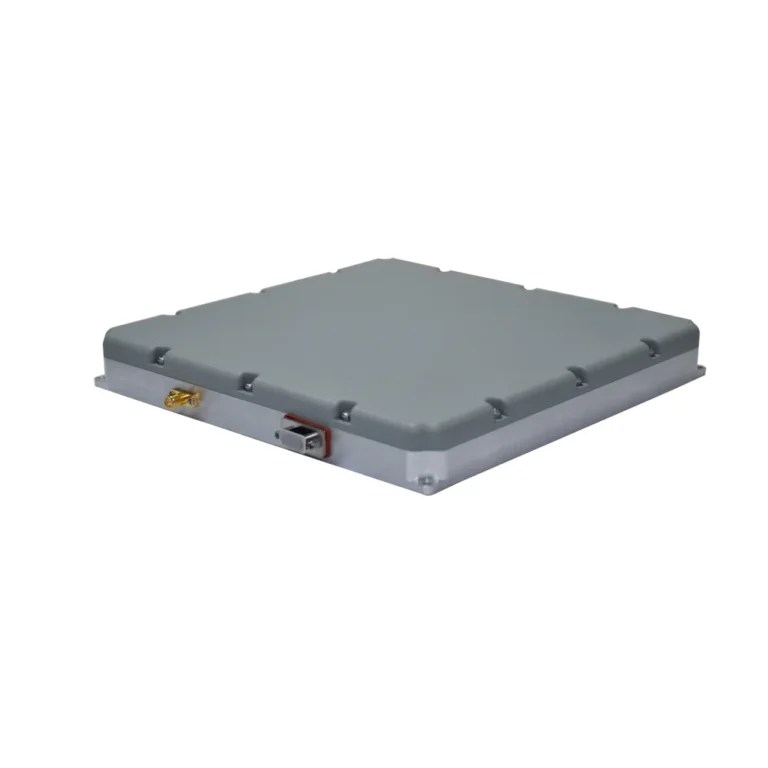
CRPA Antennas Provide Stable and Reliable Positioning Support for Drone Navigation
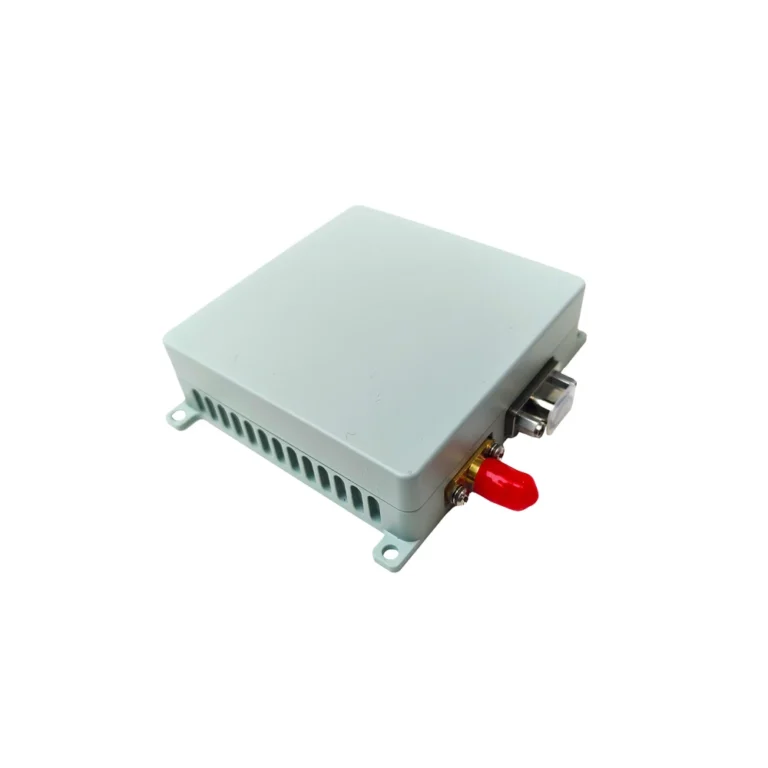
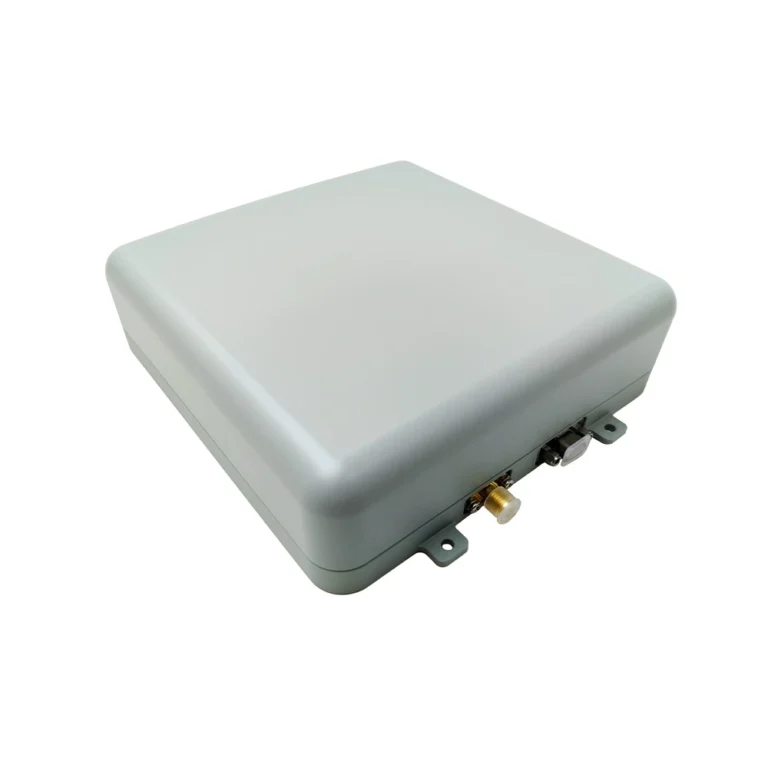
CRPA (Controlled Reception Pattern Antenna) anti-interference antenna utilizes spatial adaptive anti-jamming technology to provide drones with highly reliable and secure navigation capabilities, ensuring stable mission execution in a variety of environments.
With the rapid advancement of unmanned aerial vehicles (UAVs) today, from aerial surveying and inspection to logistics and security, the stability and accuracy of navigation systems directly determine the success or failure of a mission. However, GNSS signals are inherently vulnerable and highly susceptible to jamming or spoofing in complex electromagnetic environments, leading to positioning drift, route deviations, or even mission interruptions.
The Current State of Drone Navigation
Electromagnetic interference is widespread: Severe interference is common in cities, industrial areas, and near power facilities
Increased risk of navigation spoofing: GNSS spoofing poses a security threat to unmanned systems
Growing demand for high precision: Autonomous flight and formation flight rely on stable positioning
High requirements for mission continuity: Any signal anomaly could lead to mission failure
Contact Our Experts to Find the Perfect CRPA Antenna for Your Application
CRPA uses multi-element and adaptive beamforming technologies to identify and suppress interference sources in real time, ensuring continuous and stable GNSS signal reception.
Enhanced Flight Safety
Effectively prevents navigation spoofing and signal anomalies, mitigating risks such as route deviation and loss of control.
Support for High-Precision Positioning Systems
Provides a reliable signal foundation for high-precision positioning systems like RTK/PPK, enabling centimeter-level navigation accuracy.
Improved Mission Success Rates
Reduces the need for return-to-base, mission interruptions, or re-flights caused by signal issues, thereby improving operational efficiency.