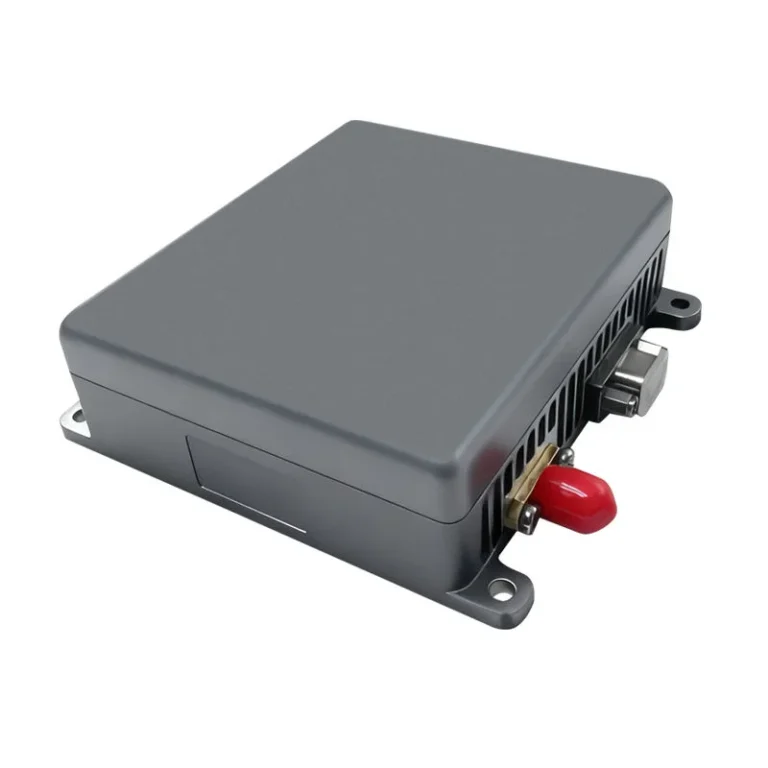
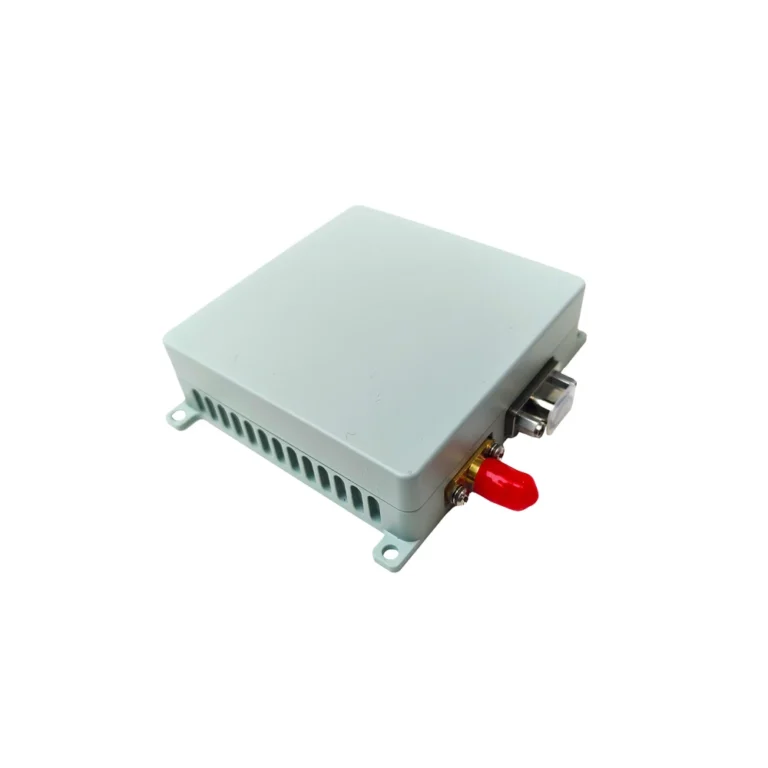
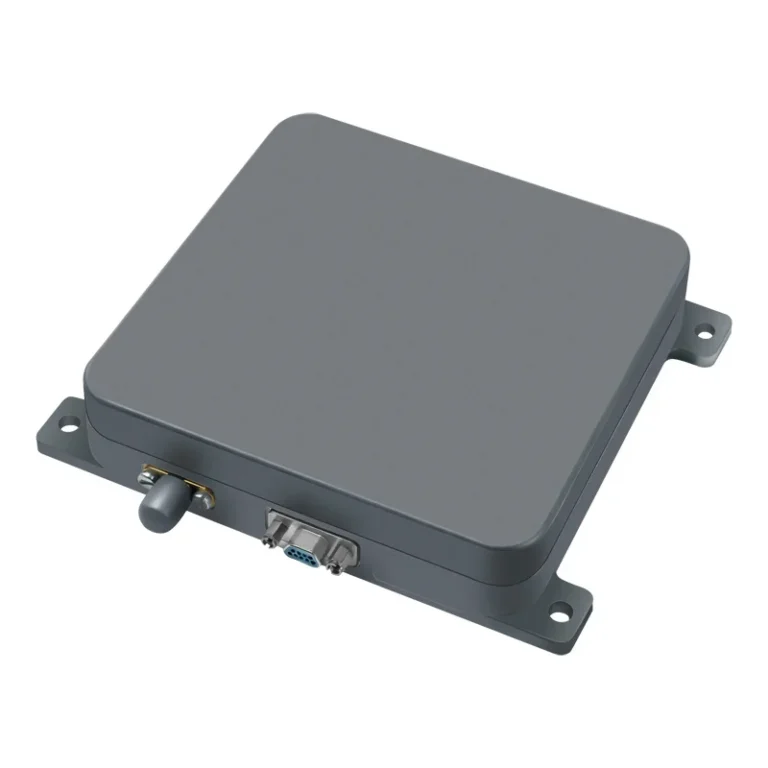
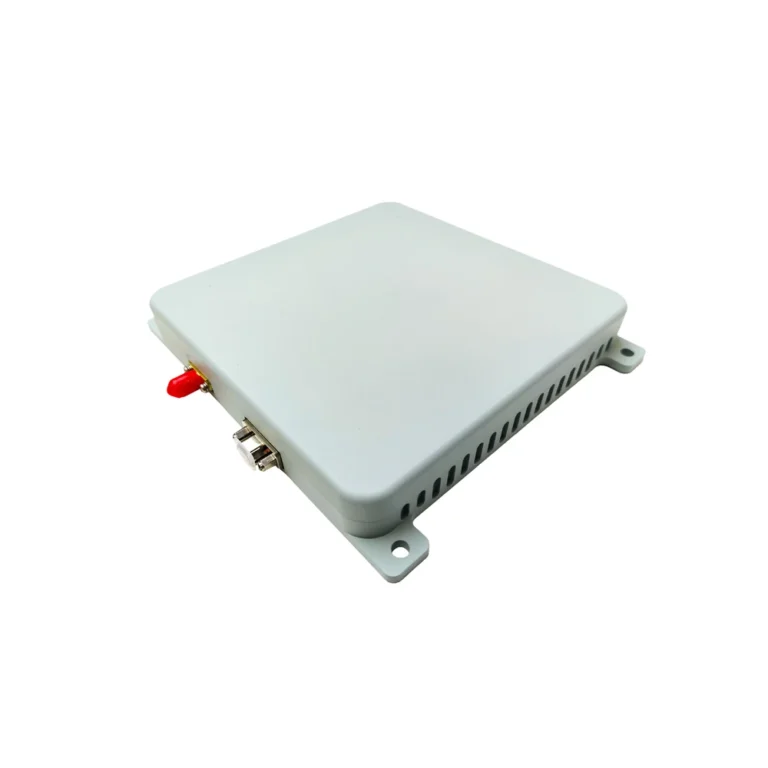
Testing CRPA (Controllable Reception Pattern Antenna) antennas is a systematic process that spans from the laboratory to the field, with the primary objective of verifying their actual interference resistance in complex interference environments.
A comprehensive CRPA test is typically divided into three phases: conducted testing, radiated testing, and field testing.
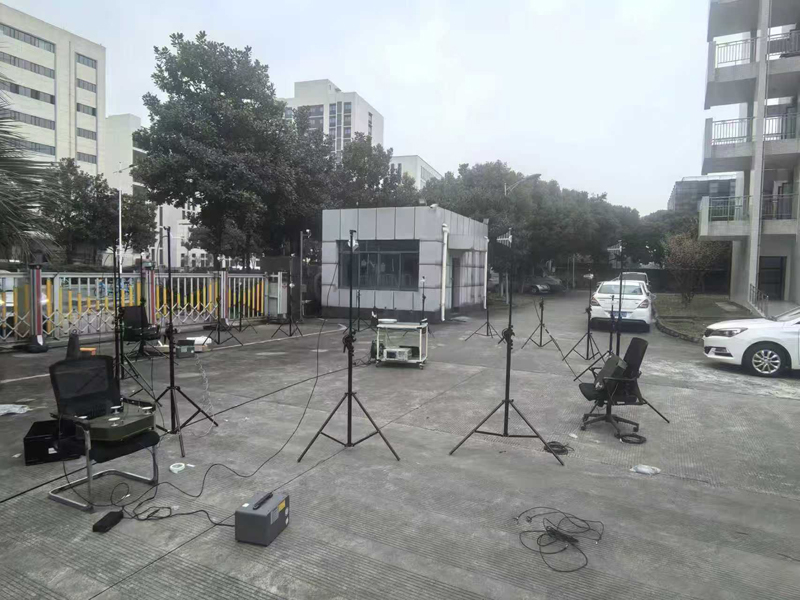
The comparison of core CRPA testing methods and their characteristics are as follows:
I. Conducted Testing
- Core Principle: Simulated satellite and interference signals are directly injected into the CRPA’s RF interface via cables.
- Advantages: High precision and repeatability—signal parameters (such as power and angle of arrival) can be precisely controlled, allowing for the simulation of extreme scenarios. Low cost and high efficiency make it the preferred method for algorithm debugging.
- Disadvantages: Cannot verify the radiation characteristics of the antenna array itself (such as inter-element coupling).
- Applicable Stage: Early R&D, algorithm validation, and hardware debugging.
II. Radiation Testing
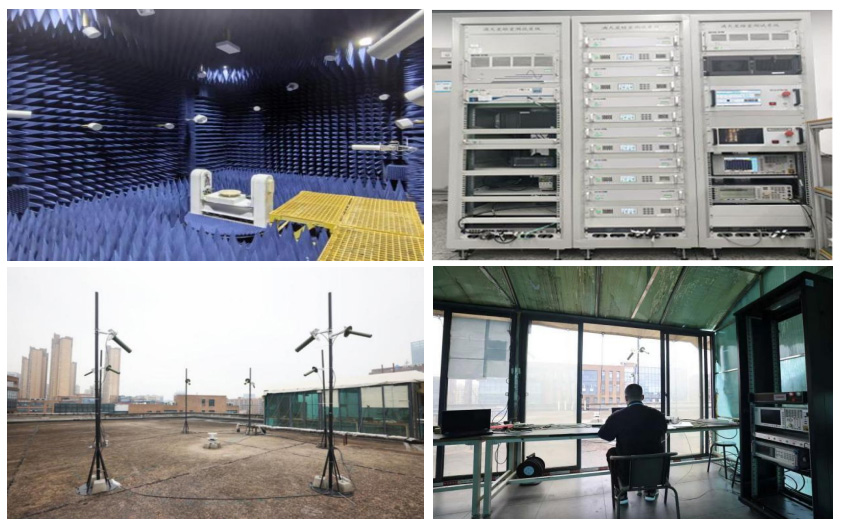
- Core Principle: In an anechoic chamber, real spatial signals are transmitted to the CRPA via an airborne measurement antenna.
- Advantages: Comprehensive validation—evaluates the actual performance of the entire system, including the antenna array. Enables precise measurement of key metrics such as antenna radiation patterns and null depth.
- Disadvantages: High cost—building or renting an anechoic chamber is expensive. Complex test preparation and limited flexibility.
- Applicable Stage: Mid-to-late R&D, system integration, and design finalization.
III. Field Testing
- Core Principle: Dynamic testing conducted in real outdoor environments (e.g., vehicle-mounted, airborne), which may include real interference sources.
- Advantages: Realistic and reliable—test results best reflect performance after actual deployment.
- Disadvantages: Uncontrollable and high-cost: Environmental variables such as weather and multipath cannot be replicated. Test events are difficult to organize and are subject to regulatory restrictions.
- Applicable stages: Random sampling prior to final acceptance or verification in specific scenarios.
Test Core: Wavefront Simulation and Signal Synchronization
The most critical technology in CRPA testing is wavefront simulation. Simply put, this involves making the signals received by the multiple antenna elements of the CRPA appear as if they were arriving from real satellites and interference sources at different angles and with specific phase differences.
This requires the test equipment to possess:
- Multi-channel, phase-coherent: All output channels must be strictly synchronized in time and phase to accurately simulate the minute time differences (phase differences) when signals arrive at different antenna units.
- Real-time simulation capability: Ability to dynamically simulate satellite motion, moving interference sources, and changes in the platform’s own attitude.
A typical CRPA test plan
You can combine the above methods based on the project phase:
- Early R&D phase (conduction testing): In the laboratory, connect the CRPA’s electronic unit to a multi-channel GNSS simulator (such as solutions from Keysight, R&S, or Safran). Here, you can quickly and repeatedly verify the performance of anti-jamming algorithms under various extreme interference conditions.
- Mid-Development Integration Phase (Radiated Testing): Place the entire antenna system (including antenna elements) in an anechoic chamber. This phase is used to obtain authoritative, quantifiable metrics, such as antenna patterns, beam pointing accuracy, and null depth.
- Final Acceptance Phase (Field Testing): Mount the system on a real platform to conduct a limited number of field exercises, serving as the final validation and supplement to the tests in the first two phases.
Summary
For CRPA testing, “conducted testing” serves as the foundation, enabling rapid iteration at the lowest cost; “radiated testing” acts as the safeguard, providing authoritative performance certification.
Additionally, there is a “hybrid testing” method that combines both approaches, using an anechoic chamber to simulate real arrival angles and software to inject complex interference; however, this method typically involves higher complexity and costs.
CRPA testing is a systematic engineering process; you need to select a solution based on your budget, project phase, and accuracy requirements. SafeGNSS is equipped with Radio Navigation Satellite System (RNSS) satellite signal simulators, vibration test systems, and multiple automated test lines for satellite navigation products. We possess a full suite of in-house production equipment and a microwave anechoic chamber. If you have any CRPA antenna procurement needs, please feel free to contact us at any time.