Applications of CRPA Antennas in the Port and Maritime Industry
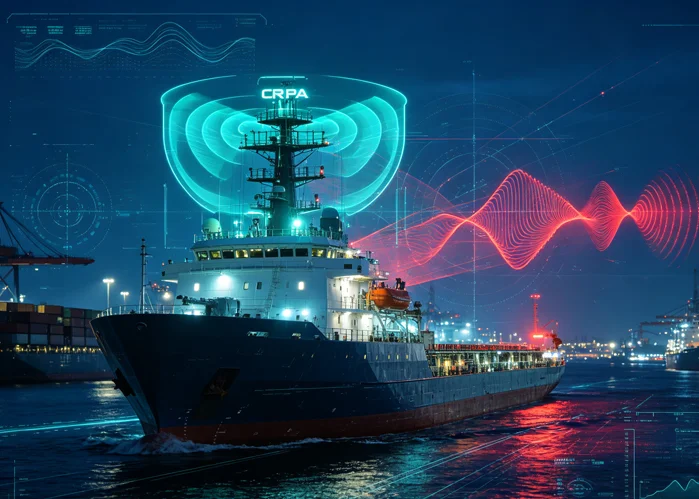
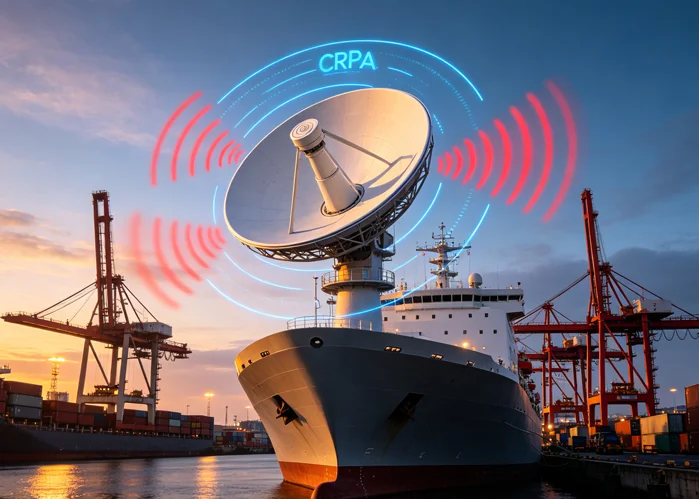
In areas with complex electromagnetic environments, such as ports and waterways, GNSS signals are highly susceptible to interference. Through its intelligent antenna array, CRPA can actively identify and suppress interference, making it a key technology for improving port operational efficiency and vessel navigation safety.
Why is CRPA so crucial in the port and shipping industry?
Port areas are “hotspots” for electromagnetic interference. Vessel navigation, dynamic positioning, berthing, and collision avoidance all rely heavily on GNSS. However, satellite signals are extremely weak by the time they reach the ground and are susceptible to two types of interference:
Intentional interference: For example, near sensitive ports, criminals may use portable GNSS jammers (with power ranging from 1 to 25 watts and an effective radius of up to several kilometers), causing vessels to lose their signals.
Unintentional interference: This includes out-of-band emissions from high-power shipboard communication systems and radar, as well as multipath reflection signals from the sea surface and large port structures (such as gantry cranes and warehouses).
Traditional filtering or single-antenna technologies struggle to cope with these complex and variable sources of interference. CRPA, however, offers an active, intelligent solution.
Application Scenarios in the Maritime Industry
1. In seas prone to geopolitical conflicts (such as the Black Sea, the Red Sea, the South China Sea, and parts of the Mediterranean Sea), commercial vessels engaged in transoceanic trade and ocean-going transport frequently encounter incidents of malicious interference or “spoofing” of GPS/GNSS signals. Risks: Once a traditional GNSS receiver is “spoofed,” the vessel’s ECDIS (Electronic Chart Display and Information System) may display an incorrect course, misleading the captain into entering another country’s territorial waters or dangerous reef areas. CRPA Application: Vessels equipped with CRPA antennas can automatically identify and block spoofed navigation signals originating from land or other vessels, while retaining authentic satellite signals, thereby ensuring the safe navigation of ocean-going cargo ships in complex electromagnetic environments.
2. Automatic Berthing and Coastal Maneuvering for Large Vessels Modern mega-container ships or LNG (liquefied natural gas) carriers have extremely high requirements for positioning accuracy and reliability when entering and exiting ports and during berthing. CRPA Application: Amid complex electromagnetic interference and multipath effects (interference from reflected signals) in ports, the CRPA antenna works in conjunction with high-precision RTK (Receiver-Based Total Station) or EGI (Integrated Navigation) systems to ensure that the vessel’s Dynamic Positioning (DP) system does not fail due to GNSS signal loss during berthing, thereby preventing major accidents such as collisions with the dock.
3. Maritime Law Enforcement and Rescue Fleets Coast guard vessels and search-and-rescue ships often face harsher adversarial environments while on missions (such as GNSS jammers used by illegal fishing vessels). CRPA antennas ensure that law enforcement vessels retain precise search-and-rescue and tracking capabilities even when subjected to deliberate electromagnetic suppression.
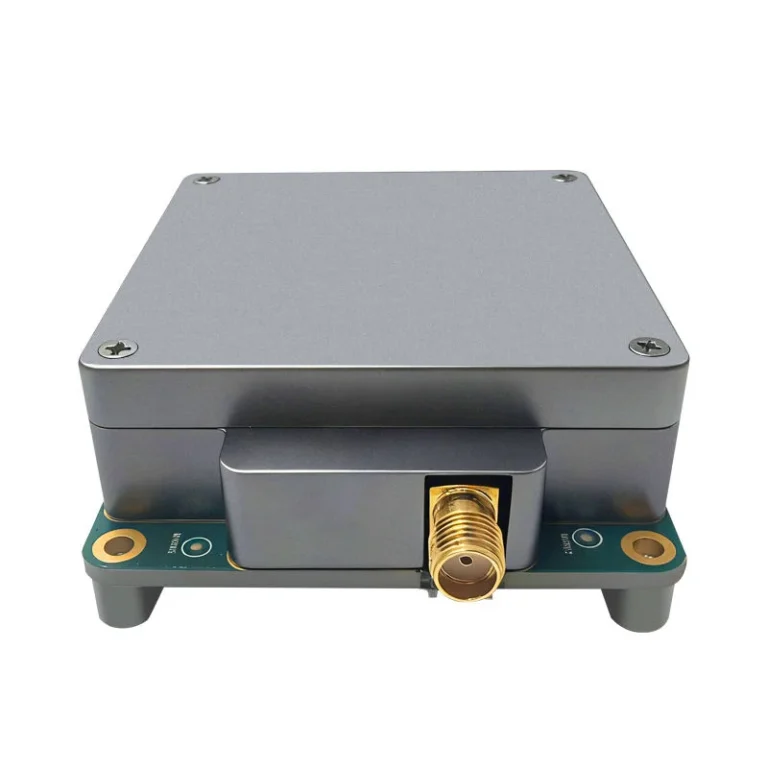
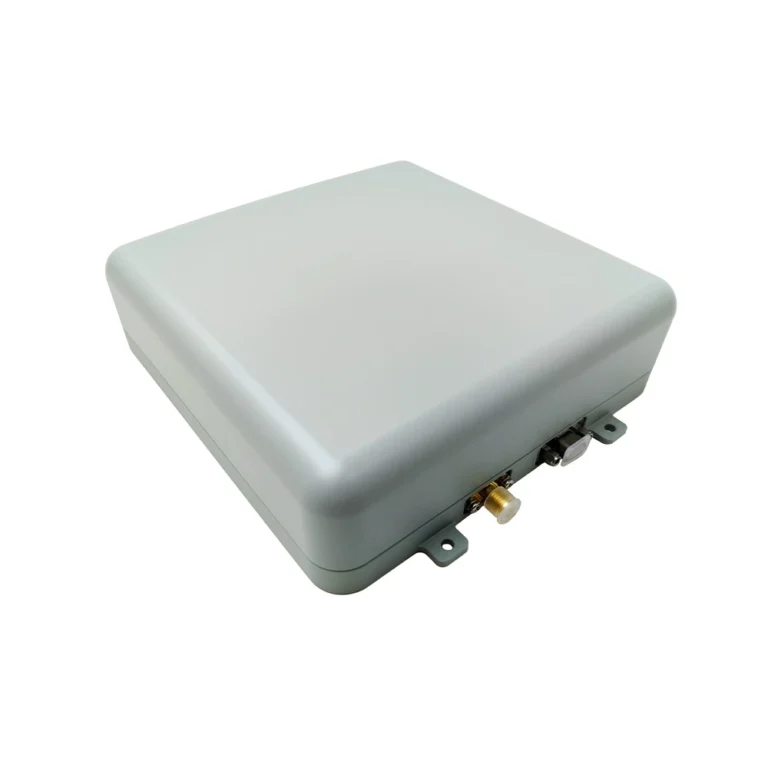
Contact Our Experts to Find the Perfect CRPA Antenna for Your Application
The value of CRPA is demonstrated in a variety of port and vessel operations:
Countering Electromagnetic Interference: Whether in electronic warfare during military conflicts or in civilian applications against portable jammers near ports, CRPA can effectively neutralize interference and prevent signal loss.
Suppressing Multipath Effects: In port environments, the sea surface, docks, and large vessels all act as strong reflectors. CRPA can identify and suppress these reflected signals, ensuring that direct satellite signals are received first, thereby improving positioning accuracy.
Defense Against Spoofing: In addition to suppressing jamming, CRPA can also effectively counter more covert spoofing attacks (which transmit false GNSS signals to lure vessels off course), ensuring navigation safety.