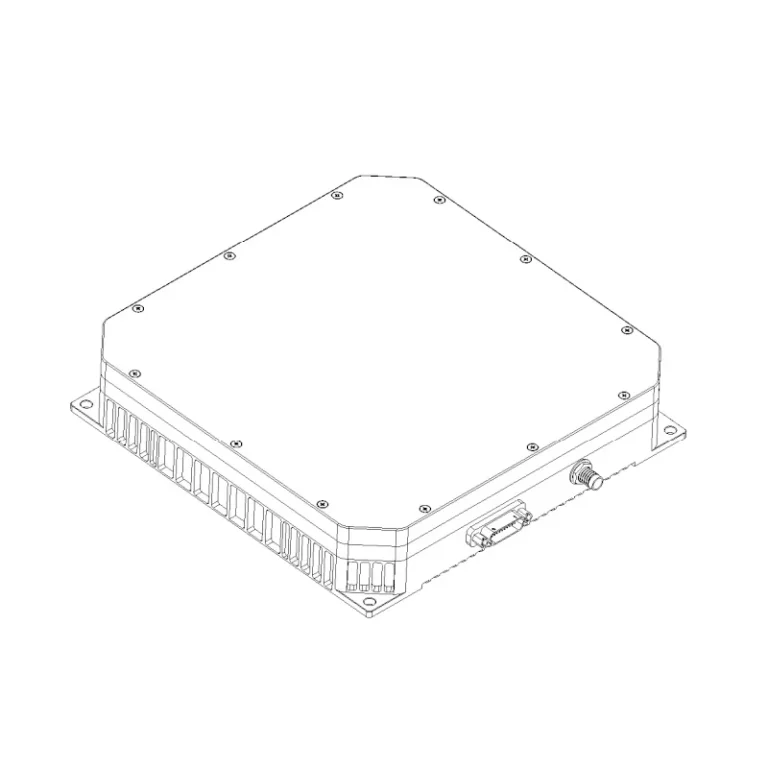
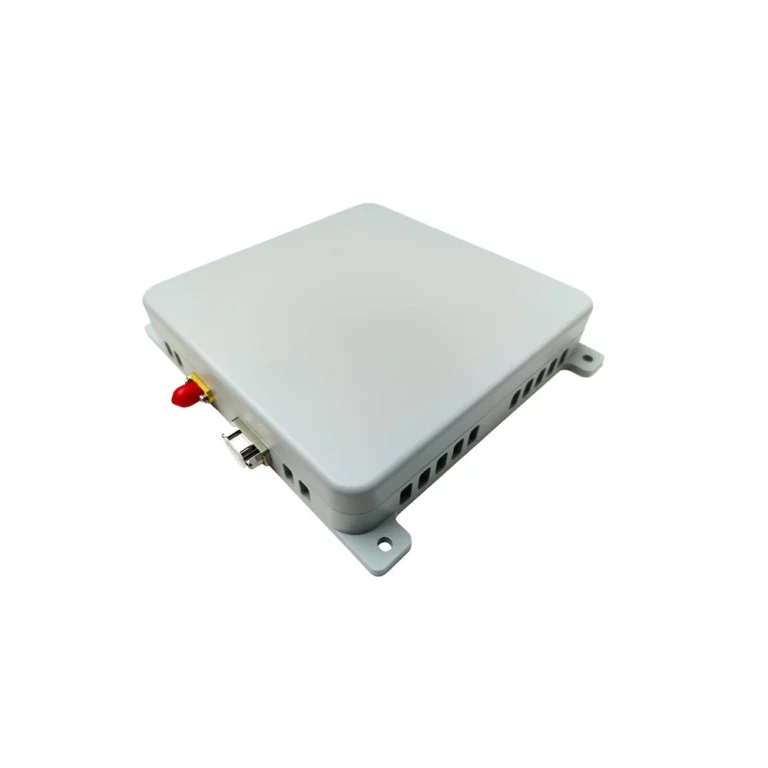
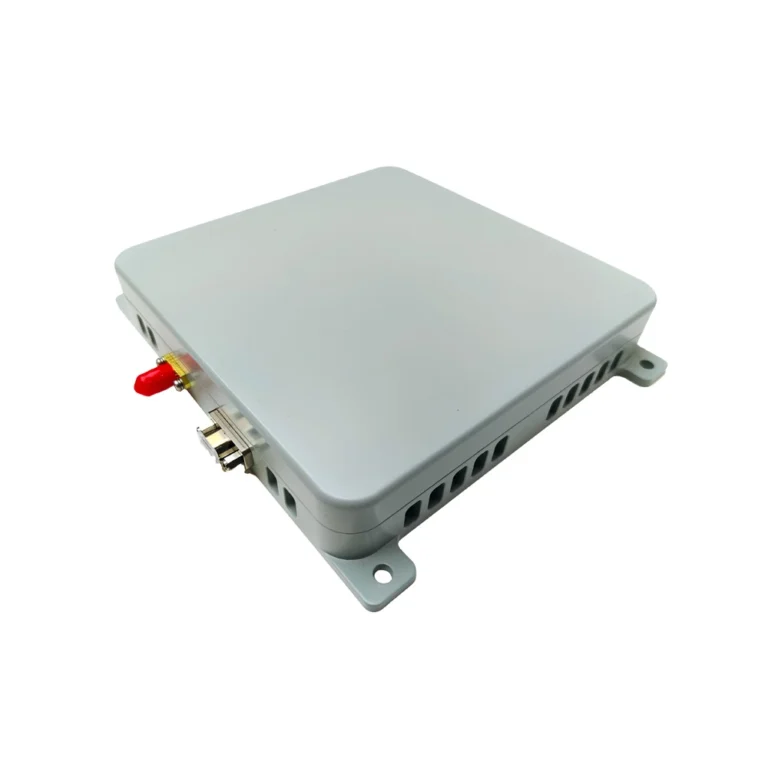
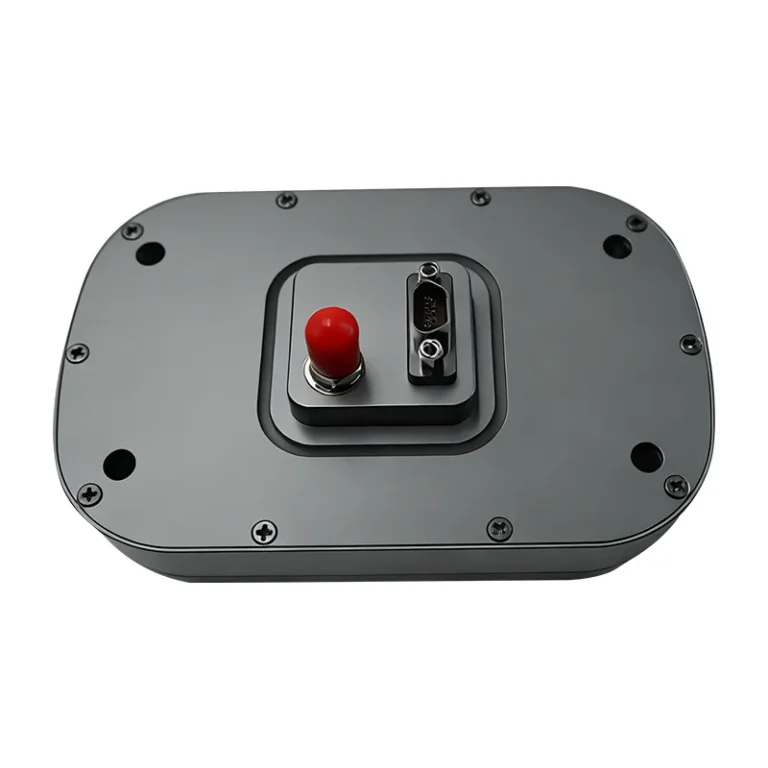
I. Definition
CRPA (Controlled Radiation Pattern Antenna) is a specialized antenna system that dynamically controls its radiation pattern (radiation characteristics) through an antenna array combined with signal processing technology. Its most common application is interference-resistant satellite navigation (GNSS, including GPS, BeiDou, GLONASS, Galileo, etc.) reception.
CRPA is an antenna system, not merely a single antenna element. Its core feature is the ability to dynamically control its radiation pattern (beam shape and direction) in real time, unlike traditional antennas with fixed radiation patterns.
You can envision it as an exceptionally intelligent and sensitive “ear”:
Traditional antenna: Like a fixed microphone, it uniformly receives sound from all directions and is prone to picking up noise.
Directional antenna: Like a trumpet, it can only receive sound from a fixed direction. If the signal source moves, it struggles to hear clearly.
CRPA: Like an advanced microphone array (e.g., a speaker system for large conferences), it can automatically identify the speaker’s direction, amplify sound from that direction, while suppressing noise and echoes from other directions.
II. Working Principle and Technical Fundamentals
CRPA implementation is typically based on phased array antenna technology and adaptive signal processing algorithms.
1. Hardware Components:
Antenna Array: The system comprises multiple (typically 4, 7, or more) identical antenna elements arranged in a specific geometric pattern (e.g., circular, square).
Receive Channels: Each antenna element connects to an independent RF receive channel for down-conversion and signal digitization.
Digital Processor: A powerful processor performs real-time weighted calculations on signals received by each channel.
2. Core Principles: Beamforming and Zeroing
Beamforming: By precisely controlling the phase and amplitude (referred to as “complex weights”) of the signal received by each antenna element, signals from the desired direction can be coherently combined. This creates a high-gain main beam directed toward that direction, effectively “amplifying” the useful signal.
Zeroing: Simultaneously, the system adjusts weights to cancel signals from unwanted directions during superposition, creating “zero-pits” in the radiation pattern. This effectively “suppresses” interference.
3. Adaptive Algorithm:
This serves as the “brain” of the CRPA. The most renowned algorithm is the Minimum Mean Square Error (MMSE) algorithm. It automatically and rapidly calculates an optimal set of weighting coefficients based on the real-time signal environment, thereby precisely aligning the main beam with the satellite (or other useful signal source) and positioning the nulls directly against the interference source.
III. Key Features and Advantages
1. Interference Resistance: This is the most renowned and critical application of CRPA. It significantly suppresses intentional or unintentional interference signals, enhancing system survivability and reliability in complex electromagnetic environments.
2. High Gain and Flexibility: Beamforming achieves higher gain than single-antenna systems, with electronically controlled beam steering that requires no mechanical rotation and operates at extremely high speeds.
3. Spatial Filtering: Capable of filtering signals based on their spatial origin direction—a capability unavailable to traditional frequency-domain filtering techniques.
IV. Primary Application Areas
1. Military GPS/BeiDou Navigation: This represents the most classic application scenario for CRPA. Military aircraft, naval vessels, vehicles, and precision-guided weapons are highly susceptible to GPS jamming and spoofing. CRPA technology ensures they can still obtain stable, accurate navigation information even in intense electronic warfare environments.
2. Satellite Communications: Used in mobile satellite communication systems to maintain stable satellite links on moving platforms (e.g., aircraft, warships) while suppressing multipath interference and other co-channel interference.
3. Electronic Countermeasures: Can be employed for anti-jamming purposes or modified for detecting and directionally jamming enemy signals.
4. 5G and Future Communications: Massive MIMO, a core 5G technology, is essentially a more complex form of CRPA. By generating multiple narrow beams to simultaneously serve numerous users, it significantly enhances network capacity and efficiency.
5. Radar Systems: Modern advanced radars predominantly employ active phased array technology, which falls under the CRPA category. This enables rapid beam scanning and multi-target tracking capabilities.
V. Distinguishing CRPA from Related Concepts
CRPA vs. Conventional Antennas: Conventional antennas have fixed radiation patterns, while CRPA offers dynamic adjustability.
CRPA vs. Phased Array: CRPA represents a specific application of phased array technology. Typically, CRPA specifically refers to phased array systems focused on reception and employing adaptive algorithms for interference mitigation. Phased array is a broader concept encompassing radar systems for transmission and scanning as well.
CRPA vs. DRFA: You may occasionally encounter DRFA (Directional Radiation Pattern Antenna), which generally denotes antennas with fixed directivity (e.g., parabolic antennas) whose beams cannot be adapted in real time.
Summary
CRPA represents an advanced adaptive antenna system that electronically reconstructs its radiation pattern in real time. Functioning like a highly sensitive and focused “ear,” it automatically concentrates on faint target signals while actively suppressing strong interference noise. This technology is indispensable in modern military electronic systems and future high-reliability civilian applications, primarily ensuring navigation and communication security within complex electromagnetic environments.