There is an essential difference between GNSS anti-jamming antennas and ordinary antennas in terms of design and performance, with the core objective of ensuring reliable reception and precise positioning of GNSS signals in complex electromagnetic environments.
Core Analogy
- Standard GNSS Antenna: Acts like a sensitive “ear”, designed to efficiently capture weak GNSS signals from all directions above the horizon. It is equally “open” to both desired signals and interference.
- Anti-Jam GNSS Antenna: Acts like a smart “filter” or a directed “microphone array”. Its primary goal is to spatially discriminate and suppress or nullify interfering signals (typically coming from ground-based or near-horizon sources) while preserving the desired signals from satellites overhead.
Comparison Table
| Feature | Standard GNSS Antenna | Anti-Jam (AJ) GNSS Antenna |
|---|---|---|
| 1. Primary Goal | High sensitivity to receive all in-view GNSS signals (L1, L2, L5, etc.). | Mission Assurance: To maintain GNSS lock and positioning integrity in the presence of strong intentional or unintentional interference. |
| 2. Anti-Jam Principle | Virtually none. Relies on basic receiver filtering (time/frequency domain). | Spatial Filtering (Adaptive Beamforming): Forms beams toward satellites and places deep nulls in the direction of jammers. |
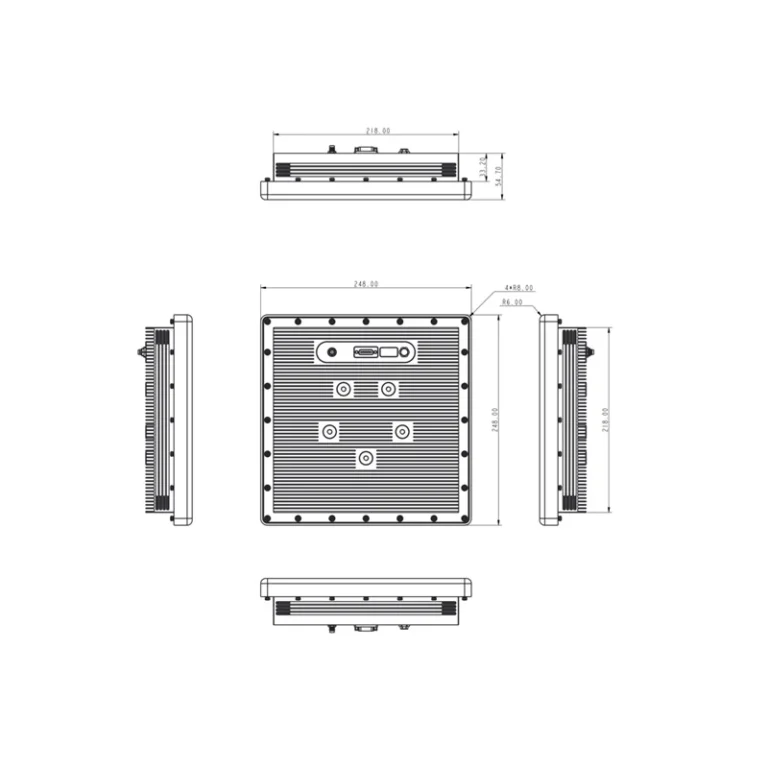
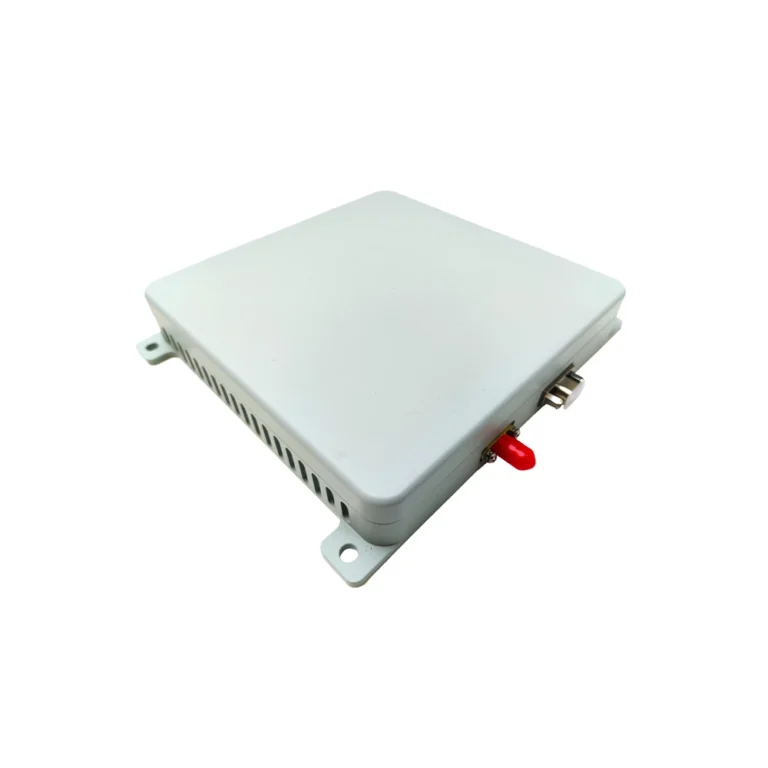
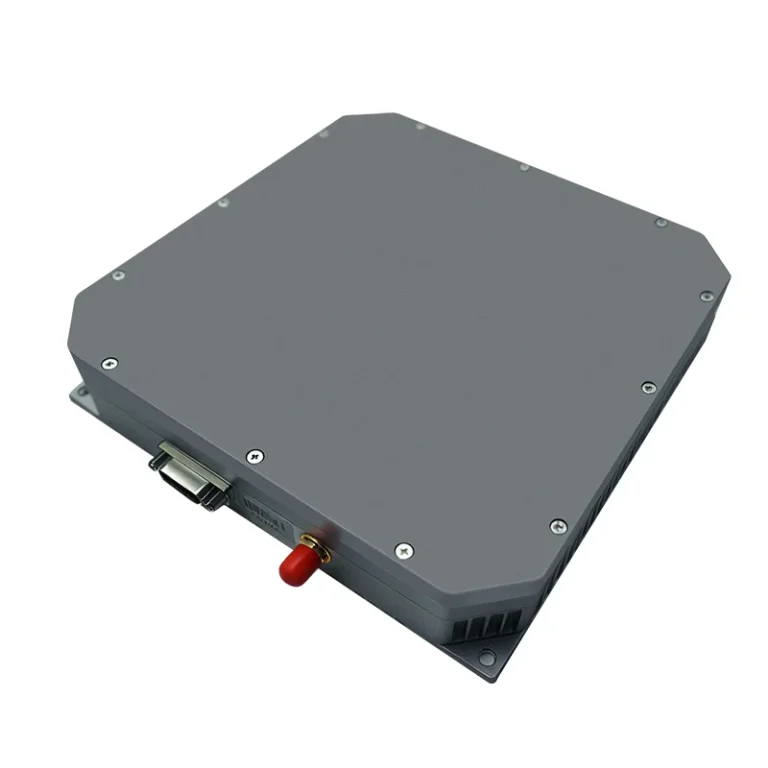
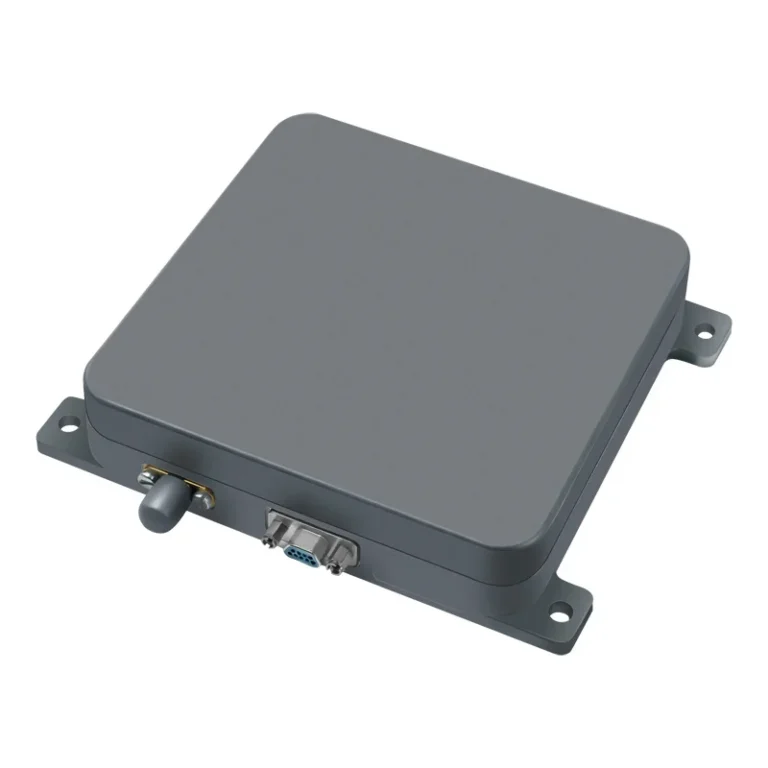
| 3. Physical Structure | Single antenna element (e.g., a patch antenna). Often includes a ground plane. | Antenna Array, typically with 4 or 7 controlled reception pattern antenna (CRPA) elements arranged in a specific geometry (e.g., a circle). |
| 4. System Complexity | Low. Simple design, low cost. | Very High. Integrates the antenna array, multi-channel RF front-end, and a powerful real-time digital signal processor (DSP). |
| 5. Spatial Processing | None. Has a fixed, wide beam pattern (hemispherical or similar). | Yes, Adaptive. Can dynamically steer beams and nulls. The radiation pattern changes in real-time to counter interference. |
| 6. Jamming Suppressed | Offers little to no protection against in-band jamming. | Effectively suppresses wideband noise jammers, narrowband continuous wave (CW) jammers, and multiple simultaneous jammers. |
| 7. System Integration | A passive component. Connects via a coaxial cable to the receiver. | An active, integrated system. Often outputs a clean, combined RF signal or digital data stream to a compatible receiver. |
| 8. Cost, Size, Weight | Low cost, small form factor, lightweight. | High cost (often 10x to 100x more), larger size, and significantly heavier. |
| 9. Typical Applications | Consumer devices, basic automotive navigation, low-criticality timing, general surveying. | Military platforms (aircraft, ships, vehicles), high-end UAVs, autonomous vehicle testing, critical infrastructure (power grid sync), high-precision survey in RF-hostile areas. |
Deep Dive: How Does an Anti-Jam Antenna Work?
The core technology is Adaptive Beamforming / Nulling, performed by a CRPA system:
- Array Reception: Multiple antenna elements simultaneously receive signals–both weak desired signals from high-elevation satellites and strong jamming signals from near the horizon.
- Digital Sampling: Each element’s signal is down-converted and digitized independently in parallel channels.
- Adaptive Algorithm (e.g., MVDR): The DSP calculates the spatial covariance matrix of the incoming signals in real-time. Advanced algorithms (like Minimum Variance Distortionless Response) analyze this to identify high-power directions (jammers).
- Weight Application & Nulling: The algorithm computes optimal complex weights (amplitude and phase adjustments) for each channel. Applying these weights electronically “steers” the array’s gain pattern:
- Beamforming: Maximizes gain toward the satellites.
- Nulling: Places deep gain nulls (very low sensitivity) precisely in the direction of the jammers.
- Continuous Adaptation: As the platform moves or jammers change, the algorithm updates the weights (within milliseconds) to maintain protection.
Critical Clarification: Anti-Jam vs. Anti-Spoof
- Anti-Jam: Counters jamming (also called interference or denial). This is a brute-force attack that “drowns out” real GNSS signals with noise, causing a loss of signal lock. AJ antennas are specifically designed to defeat this.
- Anti-Spoof: Counters spoofing (a deception attack). This is a sophisticated attack that broadcasts counterfeit but structurally valid GNSS signals to trick the receiver into calculating a false position/time.
- While AJ antennas can provide some auxiliary benefits against simplistic spoofers (by analyzing signal properties), they are not the primary defense. Anti-spoofing relies on cryptographic authentication (e.g., GPS M-Code, Galileo OS-NMA) and receiver-internal signal anomaly detection.
Summary
Think of listening to a friend at a noisy party:
- Standard Antenna: You cup your hand to your ear. You hear everything louder–both your friend and the noise.
- Anti-Jam Antenna: You use a directional microphone that automatically points at your friend’s mouth and actively cancels out noise from other directions.